



What to Do When Freight is Lost or Damaged
Freight arrived lost or damaged? Learn the difference between visible and concealed damage, what to do first, and the documents your claim needs.

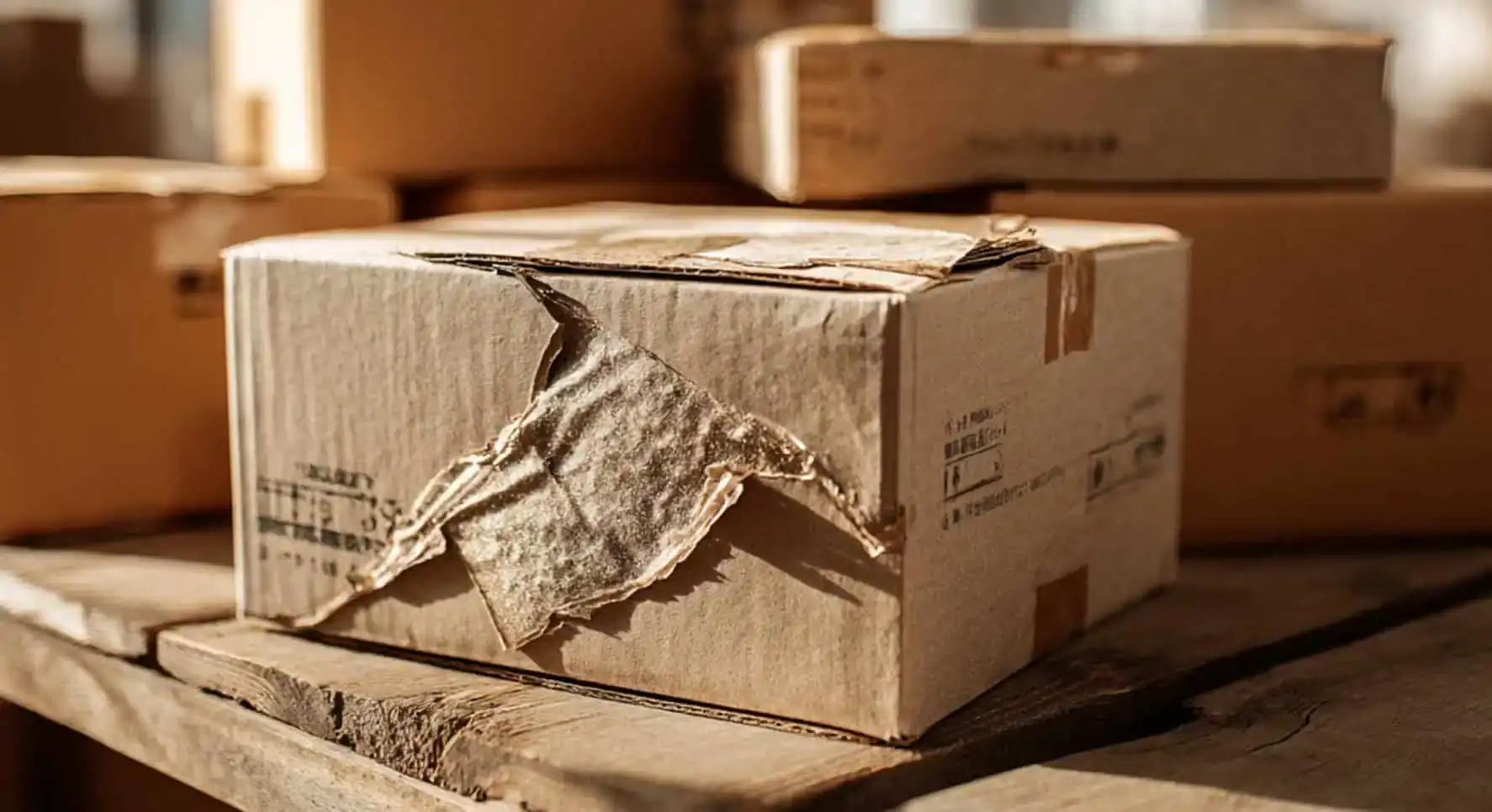
Freight gets lost or arrives damaged more often than any shipper would like, and what happens in the first hours after you notice it usually decides whether your claim gets paid, especially on Less-than-Truckload (LTL) moves, where freight changes hands more times between pickup and delivery.
This guide covers the difference between visible and concealed damage, what to do the moment you spot a problem, who’s responsible, and the documents a claim needs to succeed.
At its core, a freight claim is a formal written demand to a carrier for compensation when freight arrives lost, damaged, or short, backed by documentation proving the loss and its dollar value.
Key Takeaways
- Visible damage has to be noted on the delivery receipt before you sign; concealed damage must be reported to the carrier fast once you find it, even though you’ve already signed the shipment.
- Never refuse or discard damaged freight. Segregate it in a protected area instead, so it can be inspected and valued before anyone touches it again.
- Federal rules require a minimum of nine months from delivery to file a freight claim, though your bill of lading or carrier tariff may allow more time.
- A carrier must acknowledge a properly filed claim in writing within 30 days and pay, decline, or make a firm settlement offer within 120 days.
- A freight claim needs to show what shipped, what arrived, what was damaged, and a specific dollar amount, backed by the bill of lading, delivery receipt, photos, an invoice, and repair or replacement cost documentation.
What Counts as Lost or Damaged Freight?
Freight problems generally fall into four categories: total loss, shortage, visible damage, and concealed damage, and which one applies changes what a shipper needs to do next, from how fast you need to act to which documents will matter most later.
- Total loss: the shipment never arrives at all, and tracking or the carrier confirms it cannot be located.
- Shortage: part of the shipment arrives, but pieces, cartons, or pallets are missing from the count on the bill of lading.
- Visible damage: the freight or its packaging shows obvious damage at the time of delivery, such as crushed corners, torn wrap, or water stains.
- Concealed damage: the freight looks fine at delivery, but damage is discovered once the packaging is opened, sometimes hours or days later.
Every one of these traces back to the bill of lading, the document that identifies the shipment, the parties, and the terms of the move. Keep it with your shipment paperwork from booking, not just when something goes wrong.
Visible Damage vs. Concealed Damage: What’s the Difference?
Visible damage is damage you can see and note at the moment of delivery. Concealed damage is only discovered after the freight is unpacked, and it puts more of the burden on the shipper to report and document it quickly.
| Visible damage | Concealed damage | |
| When it’s found | At delivery, before you sign | After delivery, once packaging is opened |
| What to do first | Note it on the delivery receipt or bill of lading before signing | Stop unpacking, photograph what you’ve found, and keep the packaging |
| Reporting window | Note immediately, at delivery | Report to the carrier in writing as soon as it’s discovered; carrier tariffs commonly treat this as a matter of days, not weeks, so don’t wait |
| Overall claim deadline | Minimum 9 months from delivery under federal law | Same minimum 9-month window, but late notice of the damage itself can weaken the claim even within that window |
The nine-month figure is a federal floor, not a target. It comes from the claims rules the Federal Motor Carrier Safety Administration enforces for-interstate motor carrier’s claims, and your own bill of lading or carrier tariff may give you longer, never less.
Because specific notification requirements vary by carrier and shipment terms, check your own documentation and report concealed damage immediately rather than waiting for the general claim-filing deadline.
The biggest mistake shippers make with concealed damage is treating “I already signed for it” at the end of the story. Signing the delivery receipt only confirms what you could see at the time; it doesn’t waive your right to report damage found later, if you report it promptly.
What To Do the Moment You Find Damage or a Shortage
Inspect before you sign, note anything wrong directly on the delivery receipt, photograph it, and don’t move or discard anything until it’s been documented. Here’s the quick-reference version: what to do, and what to avoid.
Do:
- Inspect before you sign. Open crates or cartons if you have any doubt; a delivery receipt signed clean, with no exception noted, makes it much harder to prove the damage happened before you took possession.
- Note the damage on the delivery receipt or bill of lading in specific terms. “Damaged” alone is weak. “Two pallets crushed, shrink wrap torn, four cartons wet on the right rear corner” holds up far better if the claim is disputed later.
- Take time-stamped photos from multiple angles, including wide shots of the load and close-ups of the damage, plus the packaging itself, not just the product inside it.
- Segregate the damaged goods and hold them in a protected, separate area. This is a step most guidance skips, but it matters: keeping the damaged freight physically apart from the rest of your inventory, untouched, means it can still be inspected or surveyed later if the carrier or insurer asks.
- Notify the carrier and your broker in writing right away. A phone call is a fine first step, but it needs to be followed by something in writing that a claims file can point to later.
Don’t:
- Refuse the shipment without the carrier’s instructions. Refusing a delivery hands control back to the carrier and makes the damage harder to prove.
- Discard the packaging or the damaged goods, even scraps or wrapping. Discarding anything, even packaging, can undercut your claim.
- Repair, repackage, or move the goods until the claim is further along.
Carriers generally expect claimants to help minimize the total loss once a claim is underway, so keeping the goods rather than discarding them preserves the option to salvage, discount, or repair them later if the carrier requests it.
Who’s Responsible: Carrier, Broker, or Freight Insurance?
Responsibility usually starts with the carrier under federal law. Still, carrier liability and freight or cargo insurance are two different paths to recovery and knowing which one applies changes what you file and with whom. A broker, if one arranged the shipment, doesn’t carry that liability directly but plays a real role in moving the claim forward.
Carrier liability for interstate freight generally traces back to the Carmack Amendment, the federal law that holds a motor carrier responsible for loss or damage to freight it transports. Winning a Carmack claim generally means showing the freight was in good condition when the carrier took it, arrived damaged or short, and that the damage translates to a specific dollar loss.
Freight or cargo insurance works differently. It responds based on the policy’s own terms, not on proving carrier negligence, which can make it faster in some situations, though every policy carries its own exclusions and limits. If your company carries its own cargo insurance separate from the carrier’s liability coverage, that policy may be worth engaging directly rather than waiting on the carrier’s claims process alone.
Be aware that standard carrier liability is often capped by the freight class or specific tariff limits rather than matching your full commercial invoice value. Always check the liability terms on your bill of lading before assuming a claim will cover the complete loss.
A broker, which is what NTG is, does not physically move the freight and is not the carrier of record. While the carrier holds liability, an experienced broker acts as your operational advocate: helping identify the carrier that hauled the load, gathering the right shipment paperwork, and pushing the claims process forward so you aren’t managing carrier claims departments alone.
Documents You’ll Need to File a Freight Claim
A freight claim needs to show what shipped, what arrived, what was damaged, and what dollar amount you’re asking for. Gathering the same core set of documents every time is what separates a claim that moves quickly from one that stalls on paperwork requests.
| Document | Why it’s needed |
| Bill of lading | Identifies the shipment, the parties, and the terms of the move |
| Delivery receipt with the exception noted | Proves the damage or shortage was recorded at or near the time of delivery |
| Time-stamped photos | Shows the condition of the freight, packaging, and (if relevant) the trailer |
| Commercial invoice | Establishes the value of the goods that were lost or damaged |
| Repair estimate or replacement cost documentation | Supports the specific dollar amount being claimed |
| Packing list | Confirms what was supposed to be in the shipment, useful for shortage claims |
| Written notice to the carrier | Shows the damage was reported promptly, which matters most for concealed damage |
| Completed claim form or written demand | States a specific dollar amount; under federal claims rules, a bare damage notation on a delivery receipt or inspection report does not by itself count as a filed claim |
Match the dollar amount you claim to your actual, documented loss; an inflated or unsupported number is one of the most common reasons a claim drags out rather than settles quickly. If the goods can be repaired, include an itemized quote for parts and labor alongside the replacement cost; carriers may weigh repair cost against replacement cost to determine the lower total loss, so providing both can speed up the review.
What Happens After You File
Once a proper claim is filed, the carrier has to acknowledge it in writing within 30 days and pay, decline, or make a firm settlement offer within 120 days, and these are federal minimums a carrier cannot simply ignore without a valid reason on file.
If the claim is still open after 120 days, the carrier must send a written status update at least every 60 days until it’s resolved. Keep every piece of correspondence in one dated file, and if you’re working with a broker, ask them to track these windows alongside you; a claim that goes quiet is far easier to escalate when you know exactly which deadline was missed.
If a carrier misses a deadline or denies the claim outright, put a written follow-up on record referencing the specific missed date. A broker working the claim can usually escalate within the carrier’s own claims department from there; if the claim was denied and you believe it was wrongly decided, the next step is typically a formal written dispute with the carrier, and unresolved claims can be pursued further through the carrier’s dispute process or, as a last resort, legal counsel. This covers the claims process itself, not legal advice; talk to your own counsel before that step.
Common Mistakes That Slow Down a Freight Claim
Most delayed or denied claims trace back to a handful of mistakes already covered above, worth naming together as a quick self-check before you file: signing a clean delivery receipt despite visible damage, discarding or repairing the goods before the claim is resolved, waiting to report concealed damage, claiming an inflated or unsupported dollar amount, and sending the claim to the wrong party or with no dollar amount stated, which under federal claims rules doesn’t count as a properly filed claim at all.
What To Put On Your Claims Page So Customers Can Be Proactive
If you ship goods to your own customers or vendors, how they receive the freight can shape your own claims exposure the same way it shapes yours when a carrier delivers to you.
A claims support page that helps those customers state the filing deadline and required documents up front, offer a way to report damage immediately, and point them to a real account team rather than a generic form. Getting this right means fewer confused calls after a shipment arrives damaged, and a faster start on every claim that follows.
Whether you’re a shipper managing vendor relationships or, like NTG, a broker supporting shippers directly, these are the elements that make a claims page proactive instead of confusing:
- State the filing window and where to send notice, in plain language, near the top of the page, confirmed against your own bill of lading or tariff rather than assumed from the federal minimum alone.
- Publish the document checklist directly on the page. Mirror the list above so customers know exactly what to gather before they call.
- Offer an immediate reporting path. For shippers using NTG’s Beon Shipper platform, that means the ability to flag an issue and attach documentation right alongside the shipment’s existing tracking and paperwork.
- Name a real point of contact or account team, not just a submission form that disappears into a queue.
- Set expectations on timing and keep the page easy to find. Note the 30-day acknowledgment and 120-day resolution windows up front, and keep this page separate from general support content so it’s easy to locate under pressure.
Review this guidance whenever regulations affecting freight claims are updated, not on a fixed schedule.
Once a claim is filed, here’s what to expect:
Claim filed -> 30 days (carrier acknowledgment) -> 120 days (carrier pays, declines, or makes a firm offer) -> every 60 days after that (written status updates, if still unresolved).
If you’re dealing with lost or damaged freight, contact your NTG account team to help gather shipment details and coordinate the claims process.
Frequently Asked Questions
What’s the difference between visible and concealed damage on a freight shipment? Visible damage is apparent at delivery and must be noted on the delivery receipt before signing; concealed damage is found after unpacking and still needs prompt written notice, with photos and the original packaging preserved.
How long do I have to file a freight claim? A minimum of nine months from delivery under federal rules, or from the scheduled delivery date if the shipment never arrived. Your bill of lading or tariff can extend that window, never shorten it.
What happens if I sign the delivery receipt without noting the damage? It becomes much harder to prove the damage happened before you took possession. Any visible issue needs to be written on the receipt in specific terms before you sign.
Does freight or cargo insurance cover concealed damage? It depends on the policy. Cargo insurance generally responds based on its own terms rather than requiring proof the carrier was at fault, which can sometimes cover a loss a straight carrier-liability claim would not. Always confirm concealed-damage terms directly with the policy.
What documents do I need to file a freight claim? The bill of lading, the delivery receipt with the damage noted, photos, an invoice showing the value of the goods, and repair or replacement cost documentation, plus a written claim stating a specific dollar amount. See the full checklist above.
Do I still have to pay the freight bill if my shipment was damaged? Generally yes. Freight charges and a damage claim are separate issues under the shipping contract, so withholding payment isn’t a substitute for filing a proper claim. Check your specific contract terms first.
Nolan Transportation Group (NTG) is a leading logistics provider, offering a wide range of services including truckload brokerage, third-party logistics and specialized transportation like LTL, expedited and drayage. With an extensive network of carriers serving 14,000+ customers, NTG experts leverage the advanced technology of the Beon Digital Logistics Platform, with a customer-centric approach, to deliver efficient, scalable solutions.





On this page:
Subscribe to our Newsletter